
Biotechnology
Biotechnology is a field of science and technology that uses living organisms or their systems to create, modify, or improve products, processes, and services. It combines biology, genetics, and technology to harness the power of living organisms, such as cells and microbes, to develop innovative solutions across various industries.
Here are some major types of biotechnology:
Medical Biotechnology
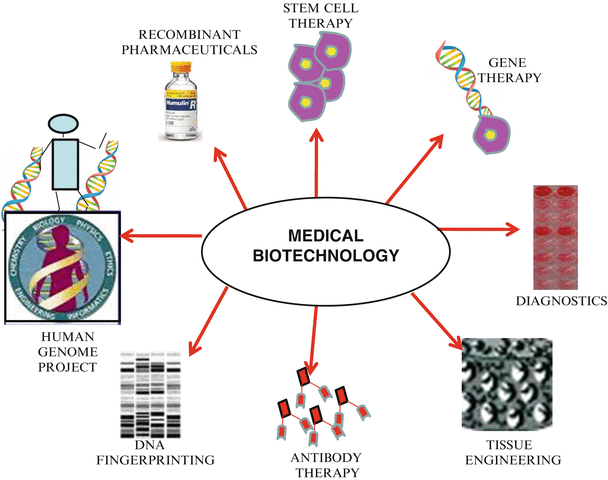
- Pharmaceuticals: Developing new drugs and therapies, including biopharmaceuticals such as vaccines and monoclonal antibodies.
- Genetic Engineering: Modifying genes to treat genetic diseases or enhance human traits.
- Gene Therapy: Introducing or repairing genes to treat or prevent genetic disorders.
- Stem Cell Therapy: Using stem cells to regenerate or repair damaged tissues and organs.
- Diagnostic Tools: Creating advanced diagnostic tools for detecting diseases and monitoring health.
Agricultural Biotechnology
- Genetically Modified Organisms (GMOs): Developing crops with improved traits, such as resistance to pests or tolerance to herbicides.
- Crop Biotechnology: Enhancing crop yield and quality through genetic modification and breeding.
- Animal Biotechnology: Modifying livestock genetics for improved productivity and disease resistance.
- Microbial Biotechnology: Using microorganisms for soil improvement, bio pesticides, and bio fertilizers.
Industrial Biotechnology
- Biofuels: Producing renewable fuels like bioethanol and biodiesel from plant material.
- Enzyme Production: Creating enzymes for use in various industries, such as detergents and food processing.
- Bioplastics: Developing biodegradable plastics from renewable resources.
- Bioremediation: Using microorganisms to clean up environmental pollution, such as oil spills.

Environmental Biotechnology
- Wastewater Treatment: Using biological processes to remove pollutants from water.
- Bioreactors: Employing microorganisms to break down organic waste and produce energy.
- Biological Pest Control: Introducing natural predators or pathogens to control pest populations.

Food Biotechnology
- Food Processing: Improving food preservation, flavor, and nutritional value through biotechnological methods.
- Fermentation: Using microorganisms to produce food products like yogurt, cheese, and bread.
- Genetically Modified Foods: Creating crops with enhanced nutritional content or longer shelf life.
Bioinformatics
- Developing software and computational tools to analyze and manage biological data, including genomic and proteomic information.

Synthetic Biology
- Designing and constructing new biological parts, devices, and systems, often with the goal of creating novel organisms or functions.
Regenerative Medicine
- Developing technologies to replace or repair damaged tissues and organs, including tissue engineering and organ transplantation.

Biotechnology is a dynamic field that continues to advance, offering solutions to various challenges in science, medicine, agriculture, and industry. These different types of biotechnology represent just a glimpse of the many applications and opportunities within the field.