
Genetic Modification
Genetic modification, often referred to as genetic engineering or genetic manipulation, is a biotechnological technique that involves altering the genetic material of organisms to achieve specific traits or characteristics. Genetic modification has been applied to microorganisms, crops, and animals to enhance resistance to pests and diseases, improve nutritional content, and produce higher-quality food. Here’s an overview of how genetic modification works in these contexts:
Microorganisms
- Production of Pharmaceuticals: Microorganisms like bacteria and yeast can be genetically modified to produce valuable pharmaceuticals and vaccines. For example, insulin and hepatitis B vaccines are produced using genetically modified microorganisms.
- Bioremediation: Certain microorganisms are engineered to break down and remove pollutants from the environment. These “bio-remediators” help clean up oil spills and contaminated water.

Resistance in Crops
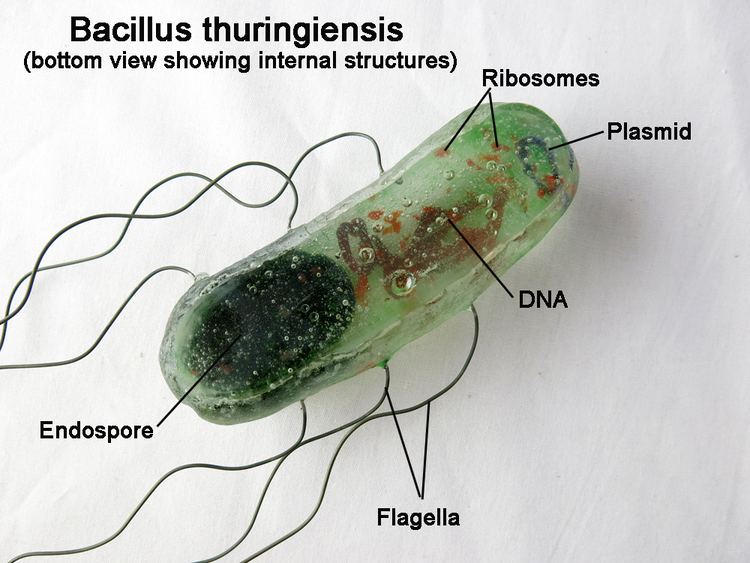
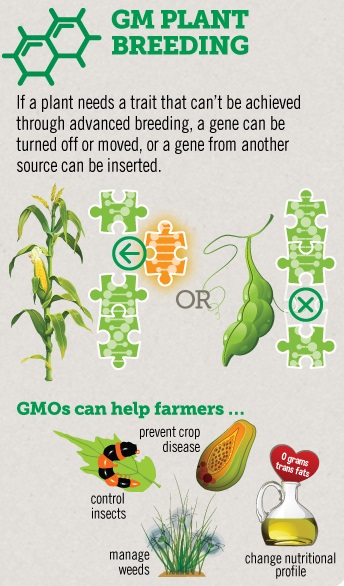
- Insect Resistance: Genes from naturally insect-resistant organisms (e.g., Bacillus thuringiensis, or Bt) can be inserted into crops like cotton and maize. These genetically modified (GM) crops produce a protein that is toxic to specific insect pests, reducing the need for chemical pesticides.
- Herbicide Resistance: Some GM crops are engineered to be resistant to specific herbicides. Farmers can then use these herbicides to control weeds without harming their crop plants.
Improved Nutrition
- Golden Rice: Golden rice is a genetically modified variety of rice that has been engineered to produce beta-carotene, a precursor of vitamin A. This modification aims to combat vitamin A deficiency, a significant health issue in many developing countries.
- High-Protein Crops: Genetic modification has been used to increase the protein content of crops like soybeans, making them more nutritious.

Quality Food Production
- Fruit Ripening: Genetic modification can delay or enhance the ripening of fruits and vegetables. For example, tomatoes have been modified to have a longer shelf life.
- Reduced Browning: Some GM apples and potatoes have reduced browning when cut, which can improve their appearance and quality.
- Disease Resistance: GM papaya has been developed to resist the papaya ringspot virus, saving the papaya industry from devastation.

It’s important to note that genetic modification techniques are subject to strict regulatory oversight in many countries to ensure safety for both human consumption and the environment. Concerns related to potential unintended consequences, ecological impacts, and long-term effects are carefully considered in the approval and cultivation of GM crops and the use of genetically modified organisms.
The use of genetic modification in agriculture and food production remains a topic of debate, with supporters emphasizing the potential for increased food security, reduced pesticide use, and improved nutrition, while critics raise concerns about potential environmental impacts and the need for comprehensive safety assessments.