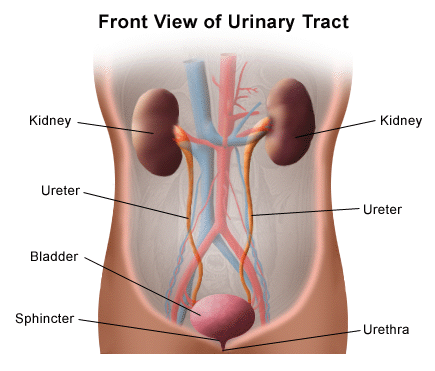
Human Execratory System
The human excretory system, also known as the urinary system, plays a vital role in maintaining the body’s internal environment by removing waste products and excess substances from the blood and expelling them from the body. Here’s an overview of the key components and functions of the human excretory system:
Kidneys:
- The kidneys are the primary organs of the excretory system and are located in the back of the abdominal cavity, one on each side of the spine.
- They filter the blood to remove waste products, excess salts, excess water, and other substances, creating a fluid called urine.
- The kidneys also help regulate blood pressure by controlling the volume of blood and electrolytes in the body.
- Additionally, they are involved in the production of erythropoietin, a hormone that stimulates the production of red blood cells in the bone marrow.
Ureters:
- Each kidney is connected to a ureter, a muscular tube that carries urine from the kidney to the urinary bladder.
- The peristaltic contractions of the ureters help propel urine from the kidneys to the bladder.
Urinary Bladder:
- The urinary bladder is a muscular, hollow organ that stores urine until it is ready to be expelled from the body.
- When the bladder reaches a certain volume, stretch receptors signal the need to urinate.
Urethra:
- The urethra is a duct that carries urine from the bladder to the exterior of the body.
- In males, it also serves as a passageway for semen during ejaculation.
- The length of the urethra is shorter in females compared to males.
Vena cava:
The vena cava carries the deoxygenated blood back to the heart..
Aorta:
The aorta brings the oxygenated blood from the heart towards the two kidneys.

Sphincters:
- The urinary system is equipped with two sphincters, which are muscular structures that control the release of urine from the bladder.
- The internal sphincter is involuntary and stays contracted until the bladder is ready to empty.
- The external sphincter is under voluntary control and allows a person to delay urination until a convenient time.
Formation of Urine:
- Filtration: Blood is filtered in the kidneys, with waste products and excess substances (such as urea, creatinine, and excess salts) being removed and collected as filtrate.
- Reabsorption: Essential substances like glucose, water, and electrolytes are reabsorbed back into the bloodstream from the filtrate.
- Secretion: Certain substances (e.g., hydrogen ions, drugs) are actively secreted into the filtrate for elimination.
- Concentration: The kidney tubules adjust the concentration of urine by reabsorbing or excreting water based on the body’s needs and hydration status.
Excretion of Urine:
When the urinary bladder is full and a person voluntarily relaxes the external sphincter, urine is expelled from the body through the urethra during urination (micturition).
Regulation of Blood Pressure and Electrolytes:
In addition to its role in urine formation, the kidneys help regulate blood pressure and electrolyte balance by adjusting the volume of blood and the excretion of substances like sodium and potassium.
The human excretory system is essential for maintaining homeostasis within the body by eliminating waste and excess substances. It also plays a critical role in maintaining proper blood pressure and electrolyte balance. Dysfunction of this system can lead to serious health issues, such as kidney disease, electrolyte imbalances, and fluid retention. Proper hydration and a healthy diet are important factors in supporting the function of the excretory system.